




























Companionship vs relationship is not an either-or choice. Companionship describes enjoying someone’s company and sharing time together; it can be part of friendship or a romantic relationship. A person who says they want companionship may mean something more specific. The word alone does not tell you whether they want romance, exclusivity, or a shared future. Ask what they are offering before deciding whether it fits what you want.
Here, “relationship” refers to a romantic partnership. The useful comparison is between the connection you enjoy and the expectations you have actually discussed.
What Does Companionship Mean?
Cambridge’s definition of companionship centers on the pleasure of being with other people. Think of enjoying a walk together, having someone to talk with over dinner, or sharing a familiar routine. Those moments do not have to be romantic to matter.
In dating, someone might use “companionship” to describe regular company without wanting a romantic partnership. Someone else might use it for the everyday closeness they want with a long-term partner. Treat either explanation as that person’s meaning, rather than a rule about everyone who uses the word.
A romantic partnership involves a shared understanding that you are partners. What that means in practice still needs discussion: time together, affection, exclusivity, responsibilities, and future plans. Calling someone a partner does not settle every one of those questions.
Companionship vs Friendship
The two can overlap. A close friend can be a companion, and an activity companion might become a close friend. You could also enjoy a regular class or walking group with someone without seeking a deeper personal bond. You do not need to decide which connection is “more real”; describe the kind of time and support you want to share.
Companionship and Companionate Love
“Companionate love” is a related psychological term, not a dating-profile category. The APA Dictionary of Psychology describes it in terms of strong affection and intimacy, and notes that it is high in intimacy and commitment within Sternberg’s triangular theory of love. It should not be read as another name for casual, uncommitted dating.
This is one reason a calm, familiar connection does not, by itself, tell you how committed someone is. Discuss what the connection means to both of you rather than using its intensity as a test.
Companionship vs Relationship: Five Things to Clarify
Use these dimensions to compare expectations. They are conversation prompts, not a scoring system that classifies your connection.
| Clarify | What the label leaves open | A question to ask |
|---|---|---|
| Romantic intent | Enjoying time together does not tell you whether someone wants romance. | “Are you looking for friendship, romantic dating, or something else?” |
| Exclusivity | You need a specific agreement about seeing other people. | “Are we agreeing to be exclusive, or are we both free to date others?” |
| Everyday support | Neither person’s availability can be inferred from a title. | “What kind of contact and support would feel realistic for us?” |
| Physical affection | Romance, touch, and sex each need their own discussion of comfort and consent. | “What kinds of affection, if any, do we both want?” |
| Future plans | Commitment, marriage, shared housing, and shared finances are separate decisions. | “What are you hoping we might build, and what do you want to keep separate?” |
You might want an exclusive romantic relationship while keeping separate homes. You might want a reliable friendship without romance. Neither arrangement can be identified just by counting shared plans or looking at whether you split bills.
Love is respect’s guide to boundaries and expectations explains why assumptions can lead people to expect things they have not agreed on. Discuss your needs, listen to the other person’s limits, and look for an arrangement you both freely want.
What Does “Looking for Companionship” Mean on a Dating Profile?
Read it as an invitation to clarify, rather than a complete description of someone’s intentions. It could mean platonic company, romantic dates without a commitment goal, or a long-term relationship with an emphasis on shared everyday life.
A message you could adapt: “I noticed you’re looking for companionship. What would that look like for you—friendship, romantic dating, or finding a long-term partner?”
If their answer is still broad, ask about the part that matters most to you: “Would you be open to a committed relationship, or is that outside what you want?” You do not have to cover every topic in one message.
Make Your Own Profile More Specific
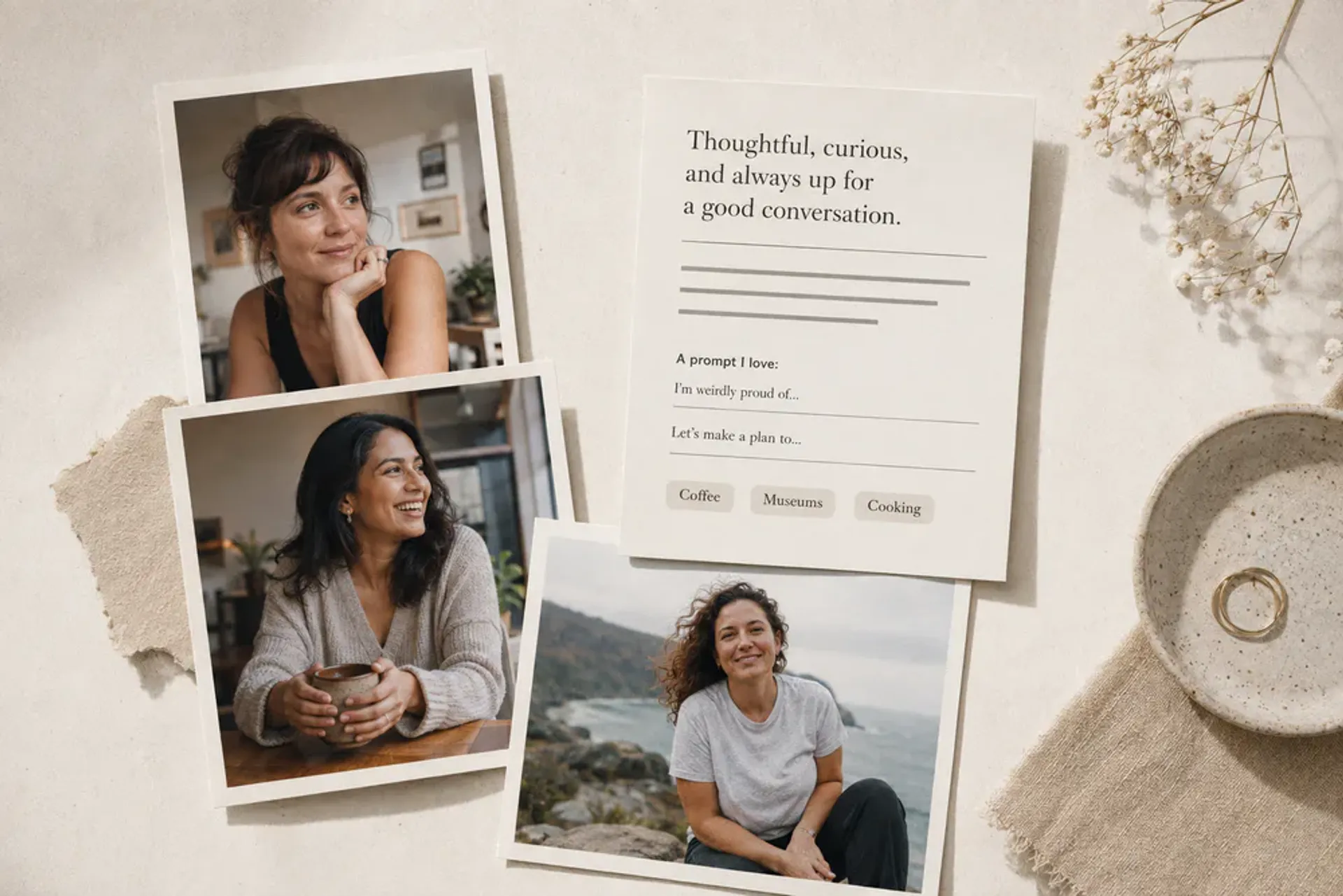
If you are writing your own bio, explain what you want to do together and what kind of connection you are seeking. These are illustrative profile examples, not real member profiles:
- For platonic company: “I’d enjoy a regular walking buddy and someone to explore local events with. I’m looking for friendship rather than romantic dating.”
- For a romantic partnership: “Looking for a long-term partner who enjoys ordinary days together. I want an exclusive romantic relationship, while keeping separate homes for now.”
Use the details that are true for you. A specific preference gives someone something to respond to; “companionship, no drama” leaves much more for them to guess.
Four Conversations That Put the Difference Into Practice
The exchanges below are editorial examples. They show possible responses, not a way to predict someone’s feelings or persuade them to want a different arrangement.
1. A Match Wants Platonic Company
They say: “I mean someone to go to concerts with. I’m not looking for romance.”
You could say: “Thanks for explaining. I’m looking for a romantic partner, so we may be looking for different things.”
If you would also enjoy a friendship, you can say so. Only offer it if that would be satisfying on its own. Do not treat friendship as a waiting room for a relationship they have already said they do not want.
2. Someone Wants Romance Without Commitment
They say: “I like going on dates with you, but I don’t want exclusivity or a committed relationship.”
You could say: “I like spending time with you too, but I want a committed partnership. That arrangement would not work for me.”
Take the current answer seriously. Warm messages and enjoyable dates do not turn it into a promise that they will change their mind. If you are comfortable continuing casually, discuss what that involves; if you are not, you can step back without arguing about the label.
3. Your Partner Calls You Their Companion
You ask: “When you call me your companion, do you mean you enjoy our everyday life together, or has what you want from us changed?”
They say: “I’m happy with us. I mean that I really enjoy sharing my days with you.”
You can appreciate that answer and explain why the word made you uncertain. A new word does not automatically erase your existing agreements. If you are missing affection or shared plans, name that specific concern: “I’d like us to plan more time together.”
For a fuller conversation once you are already a couple, try our questions for your girlfriend, with follow-up examples. Adapt the wording to your partner.
4. You Want Commitment and Separate Homes
You say: “I want a committed romantic relationship, and I also want to keep living on my own. How would that fit with what you want?”
They say: “Living together eventually matters to me.”
Now you have a concrete difference to discuss. Ask whether this is a preference you are each open to exploring or something essential. Neither person needs to rename their wishes as “just companionship” to make the disagreement go away.
How to Work Out What You Want
Before asking someone else to define the connection, make a short note of your own preferences. Separate what you want now from what you would be willing to consider.
- I want: the kind of connection you actively hope to have, such as friendship, casual romantic dating, or an ongoing romantic partnership.
- I am open to discussing: details such as time together, living arrangements, or how slowly you want to get to know each other.
- I am not looking for: arrangements you would accept only while hoping the other person changes.
This is a reflection exercise, not a compatibility assessment. You can want closeness and independence at the same time. Be specific about both so that the other person can make an informed choice too.
If your main question is whether you have already agreed to be a couple, our dating vs relationship guide covers that conversation. If you find yourself imagining a future before discussing it, the guide to being a hopeless romantic offers ways to separate hope from what you know.
What If You Want Different Things?
Start with the actual difference: “I want a romantic partnership, and you want friendship,” or “We both want to be partners, but we disagree about living together.” Those are different conversations.
If the answer is unclear, you can ask for clarification or decide that an undefined arrangement does not work for you. “Not sure” is not an agreement to the future you want. You can discuss when to revisit the topic if you both wish to, without treating a future check-in as a promised yes.
If the answer is clear and incompatible with your needs, you can decline the arrangement respectfully. A boundary is something to understand and respect, not an obstacle to overcome with the right wording.
Frequently Asked Questions
Can You Have Companionship Without a Romantic Relationship?
Yes. Friends and activity companions can enjoy shared time without seeking romance. Companionship can also exist within a romantic relationship, so the terms are not mutually exclusive.
Is a Companion the Same as a Lover?
Not necessarily. Someone might use “companion” for a friend, a romantic partner, or another important person in their life. Ask what they mean. Physical intimacy alone does not tell you what commitment or exclusivity they have agreed to.
What Does Companionship Mean to a Man?
There is no single meaning that applies to all men. Ask the individual about romance, exclusivity, time together, and future plans. Gender is not a substitute for hearing that person’s answer.
Can Companionship Turn Into a Romantic Relationship?
It can if both people want that change, but it is not a guaranteed stage on the way to becoming partners. Continue a connection based on what you both want now, rather than an assumed progression.
Ask About the Arrangement Behind the Word
Choose the expectation that matters most to you and ask about it directly. Listen for what the other person wants, explain your own preference, and decide whether the arrangement fits you both. A shared meaning is more useful than finding the perfect label.