









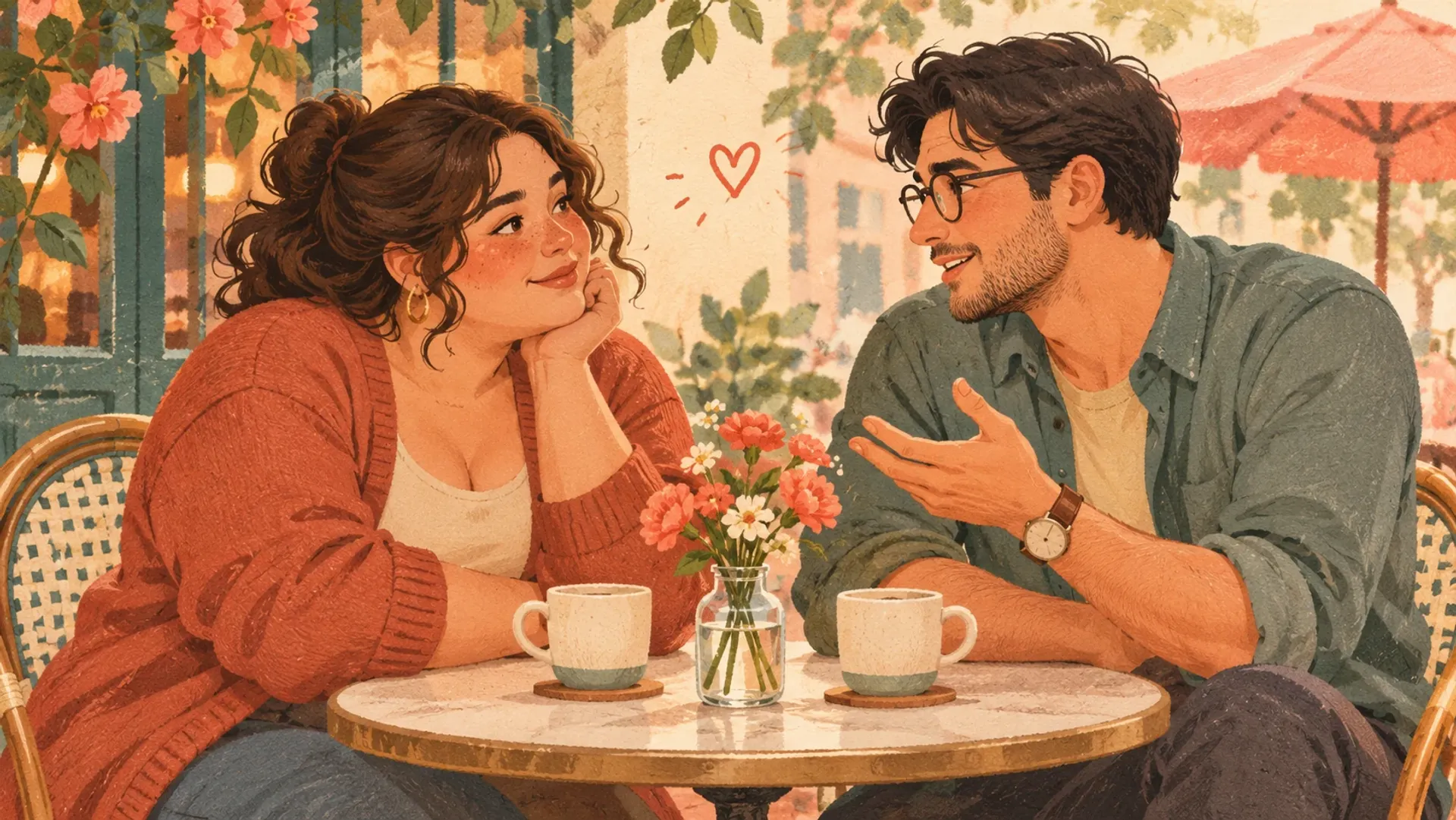
A hopeless romantic is someone with a deeply sentimental, idealistic view of love who keeps believing in romance despite disappointment. They might dream about soulmates, treasure thoughtful gestures, or imagine a future together early on. The phrase describes an outlook on love; it does not tell you how someone will behave or whether a relationship will last.
If you have ever turned a lovely conversation into an imagined love story, you may recognize the feeling. You can enjoy that excitement while leaving room to learn who the other person actually is.
What Does Hopeless Romantic Mean?
In everyday use, a hopeless romantic places a lot of value on romantic love and may hold onto an ideal of it even when experience gives them reasons to be skeptical. Dictionary.com’s explanation of the phrase also notes its more affectionate use: someone might simply mean they love romantic stories, love letters, or meaningful gestures.
The word “hopeless” can sound discouraging. Here, it suggests that the person’s romantic outlook is difficult to change. It does not mean they have no hope of finding love or that they are bad at being a partner.
Context matters. “I’m a hopeless romantic” might be a cheerful way to describe a love of candlelit dinners. From a concerned friend, the same words might refer to a habit of overlooking a mismatch because the imagined relationship feels so appealing.
Someone can be romantic, single, happily partnered, cautious, or quick to get excited. Ask what the expression means to the person using it rather than treating it as a complete personality description.
Signs You Might Recognize
These everyday patterns may feel familiar. They are prompts for reflection, not a scorecard: enjoying a love song or planning a thoughtful date does not determine your whole approach to relationships.
Romantic Details Matter to You
You remember a song from a date, save a handwritten note, or enjoy planning a surprise around something the other person mentioned. The meaning behind a gesture may matter more to you than its price.
You Imagine the Future Early
A promising match might have you picturing shared holidays before you have discussed what either of you wants. Daydreaming can be enjoyable. The question is whether you can still distinguish what you hope will happen from what has been agreed.
You Look for a Love Story
You may be drawn to the idea of soulmates, a meaningful coincidence, or an unforgettable first meeting. Notice whether the story helps you appreciate the person or makes it harder to hear something that does not fit it.
You Express Affection Generously
You like sending a thoughtful message, choosing a personal gift, or making time for someone. That generosity can feel good when it is welcome. It becomes worth reconsidering if you keep giving more in the hope of changing an answer they have already given you.
You Still Believe in Love After Disappointment
A disappointing date or breakup has not erased your wish for a meaningful connection. You may still want romance while becoming more selective about whom you invest in. Those preferences can coexist.
Hopeless Romantic vs Hopeful Romantic
People often use “hopeful romantic” to describe someone who believes in love while keeping expectations flexible. “Hopeless romantic” tends to emphasize the strength or persistence of the ideal. These are informal expressions, and people may use them differently or see themselves in both.
For dating, the useful question is how you respond to new information. Imagine a date says they only want something casual. You might feel a powerful connection and hope it could become more. A grounded response takes their current answer seriously when deciding whether to continue.
You do not need to adopt a new label. Try asking: “Can I enjoy the possibility of this relationship and still change my mind when I learn more?” That question is more useful than deciding which romantic category you belong in.
Is Being a Hopeless Romantic Bad?
Enjoying romance is not a problem by itself. Remembering small details, expressing affection, and making someone feel considered can be parts of a relationship you both enjoy. A useful distinction is between seeing someone generously and repeatedly dismissing information that affects your choices.
Research on idealization is more nuanced than “all idealism is harmful.” A study following newlyweds over three years found that stronger initial idealization of a partner was associated with less decline in marital satisfaction. It studied perceptions of spouses, rather than the everyday label “hopeless romantic.” The finding does not mean ignoring mistreatment or incompatibility will improve a relationship.
Look at the behavior in front of you. Can you disagree, say you want a slower pace, and hear an answer you did not hope for? Does affection leave room for your other relationships, commitments, and preferences?
A concern worth addressing is a specific pattern: repeatedly excusing dishonesty, agreeing to things you do not want, or treating someone’s lack of interest as a challenge to overcome. You can respond to that pattern without deciding that being romantic is the cause.
Keeping Perspective at Different Dating Stages
The examples below are illustrative situations and sample wording you can adapt. Their purpose is to help you ask a useful question, not to produce a particular response.
When You Have Just Matched
The situation: You share a favorite film, the messages are warm, and you are already picturing your first weekend away together.
What you know: You have an enjoyable conversation and a shared interest. You have not yet learned whether your intentions, availability, or lives fit.
Try asking: “I’ve enjoyed talking with you. What are you hoping to find through dating at the moment?” If the answer differs from what you want, use it when deciding whether to keep exploring. Shared taste does not settle that question.
After a First Date
The situation: The date felt exciting, and a thoughtful detail makes the evening feel like the beginning of a bigger story.
What you know: You enjoyed that meeting. You can be interested in another date without deciding how the relationship will develop.
Try saying: “I had a lovely time and would like to see you again. Would you?” Look for an answer and a workable plan rather than making every message into a test. Our first date questions can give you ideas for learning more through conversation.
When You Are Dating Regularly
The situation: You spend time together often, exchange affectionate messages, and begin assuming you are exclusive.
What you know: There is ongoing contact. Unless you have discussed it, exclusivity and commitment may still be open questions.
Try asking: “I’m interested in dating each other exclusively. Is that something you want, too?” If one person wants more time, discuss what you are agreeing to now. The difference between dating and a relationship is worth exploring separately from how romantic your time together feels.
When You Are Already Partners
The situation: You love surprises, but your partner prefers knowing plans in advance. Their preference feels less romantic than what you imagined.
What you know: You have different preferences about this gesture. It is worth asking what each of you would actually enjoy.
Try asking: “I like making occasions feel special. Would you enjoy a surprise, or would you rather choose something together?” Use the answer to plan an experience you both want. A gesture can be meaningful without resembling the one you first pictured.
Separate What You Know From What You Hope
If your thoughts are racing ahead, make a short note before deciding what to do. This is a simple reflection exercise, not a psychological assessment.
- What happened? Write an observation: “They remembered something I told them and suggested another date.”
- What am I adding? Name the interpretation: “That must mean they want the same future I do.”
- What remains unclear? Identify the question: “We have not discussed our relationship goals yet.”
- What can I do next? Ask that question, accept the answer, and choose a next step that works for you.
The aim is to give your hopes an appropriate place in the decision. You do not have to suppress excitement or treat every uncertainty as a warning. You do need room for an answer that changes your original picture.
It also helps to separate preferences from assumptions. You might prefer frequent contact, but the other person cannot know what frequency you want until you discuss it. Love is respect’s guide to boundaries and expectations explains why expectations need conversation and why personal limits should be respected.
Keep plans you value outside dating, and consider what level of effort feels sustainable. Reciprocity does not require identical gestures or constant scorekeeping. It does require space to discuss what each of you is willing and able to offer.
Using “Hopeless Romantic” in a Dating Profile
A concrete detail helps someone understand what you mean. Rather than leaving the label to carry the message, describe a preference they could respond to.
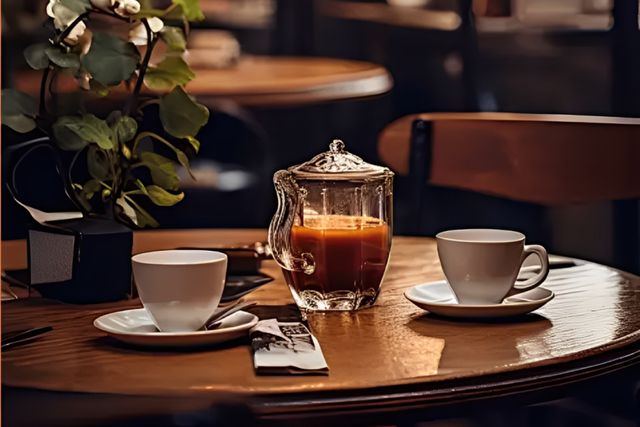
For example: “A hopeless romantic about handwritten notes and finding a favorite cafe together. Looking for a relationship we can build at a pace that works for both of us.”
Use that wording only if it reflects what you want. If someone else calls themselves a hopeless romantic, you can ask: “What does romance look like for you?” Their answer can open a conversation about preferences; the label alone is not a promise about commitment.
Frequently Asked Questions
Do Hopeless Romantics Fall in Love Quickly?
Some people use the phrase that way, but it does not describe everyone. A person may love romantic gestures and still take time to get to know someone. Ask about their pace and intentions rather than predicting them from the label.
What Does Hopelessly Romantic Mean?
“Hopelessly romantic” describes an outlook or behavior with a strong romantic quality. Someone might call a handwritten love letter hopelessly romantic. “A hopeless romantic” usually names the person who has that outlook.
What If Someone Calls Themselves a Hopeless Romantic?
They might mean they value affection, enjoy romantic stories, or believe strongly in love. The expression does not tell you who they are attracted to, what relationship they want, or whether they are exclusive. Ask what it means to them in practice.
Can You Be Romantic and Still Have Boundaries?
Yes. You can enjoy affection and still choose your pace, decline a gesture, or say an arrangement does not work for you. Knowing someone’s preference gives you a better chance to offer romance they genuinely welcome.
Keep the Romance and Keep Learning
Choose one hope you have about the person you are seeing, then ask what you actually know about it. If something important is missing, turn it into a question you can discuss. That leaves space for a connection to grow through what you discover together.